
The Unbelievable Power of Sound: How Scientists Make Things Float
Have you ever wished you had a real-life tractor beam? While we might not be quite at Star Trek level yet, scientists have already figured out how to make objects float without any strings, magnets, or magic! The secret lies in one of the most fundamental forces in the universe: sound waves.
This is the fascinating world of acoustic levitation.
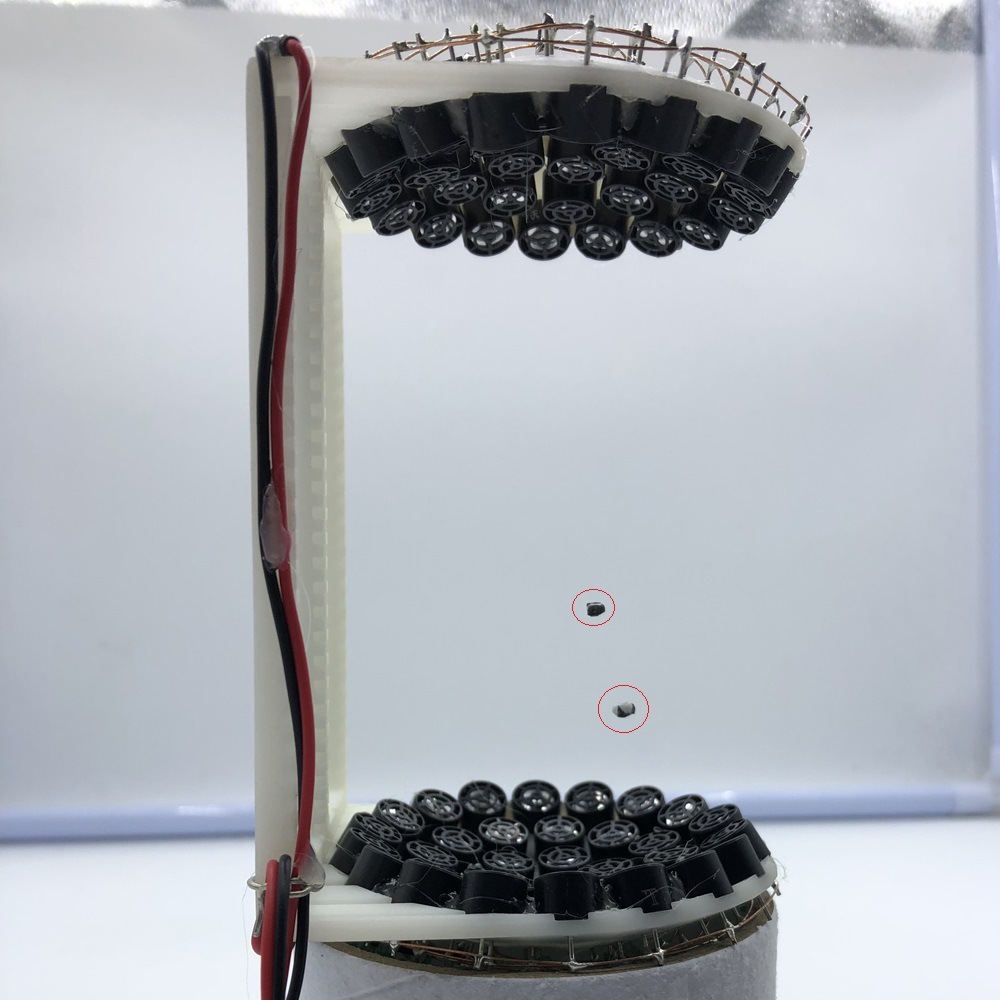
It’s Not Magic, It’s Physics
Levitation has always captured the human imagination, but most people are familiar only with magnetic levitation (MagLev) used in high-speed trains. Magnetic levitation works by pushing away objects with opposing magnetic fields. However, this method only works on certain materials.
Acoustic levitation is different—and far more versatile. It utilizes the fact that sound waves carry mechanical energy and apply force to objects. The force is in the opposite direction of gravity, causing the object to suspend. Unlike magnetic levitation, acoustic levitation can be used for various materials (even insects).
So, how does it work?
- Sound Carries Energy: Most people think of sound as just something we hear, but it’s actually mechanical energy traveling through a medium like air. This energy exerts a physical force.
- Creating a Trap: To levitate an object, you need two opposing sources of high-frequency sound—often ultrasonic waves (sound pitches too high for the human ear to hear).
- The Standing Wave: When these two waves meet, they interfere with each other, creating a standing wave. A standing wave has fixed points called nodes where the pressure is minimal, and fixed points called antinodes where the pressure is maximal.
- Counteracting Gravity: If you place a small object in one of these low-pressure nodes, the sound waves essentially surround it, creating a pressure cushion that is stronger than gravity. The acoustic force pushes the object upward, causing it to suspend perfectly in the air.
It’s the ultimate example of applied physics, and it’s why acoustic levitation is such a hot topic in science labs today. Want to dive deeper into the science? Check out the comprehensive explanation here: https://en.wikipedia.org/wiki/Acoustic_levitation.
Beyond the Classroom: Why Levitate?
Acoustic levitation isn’t just a cool party trick; it has real, practical applications in fields like medicine and chemistry.
- Contamination-Free Processing: By eliminating contact with containers, scientists can process highly reactive or sensitive materials without contamination.
- Micro-Droplet Control: It allows for the precise manipulation of tiny liquid droplets, which is essential for certain diagnostic tests and materials research.
- Precision Robotics: Engineers are studying the principles to design new, highly precise manipulation tools.
For more general project ideas and tutorials related to the skills used in this kit, you can explore: https://www.instructables.com/.
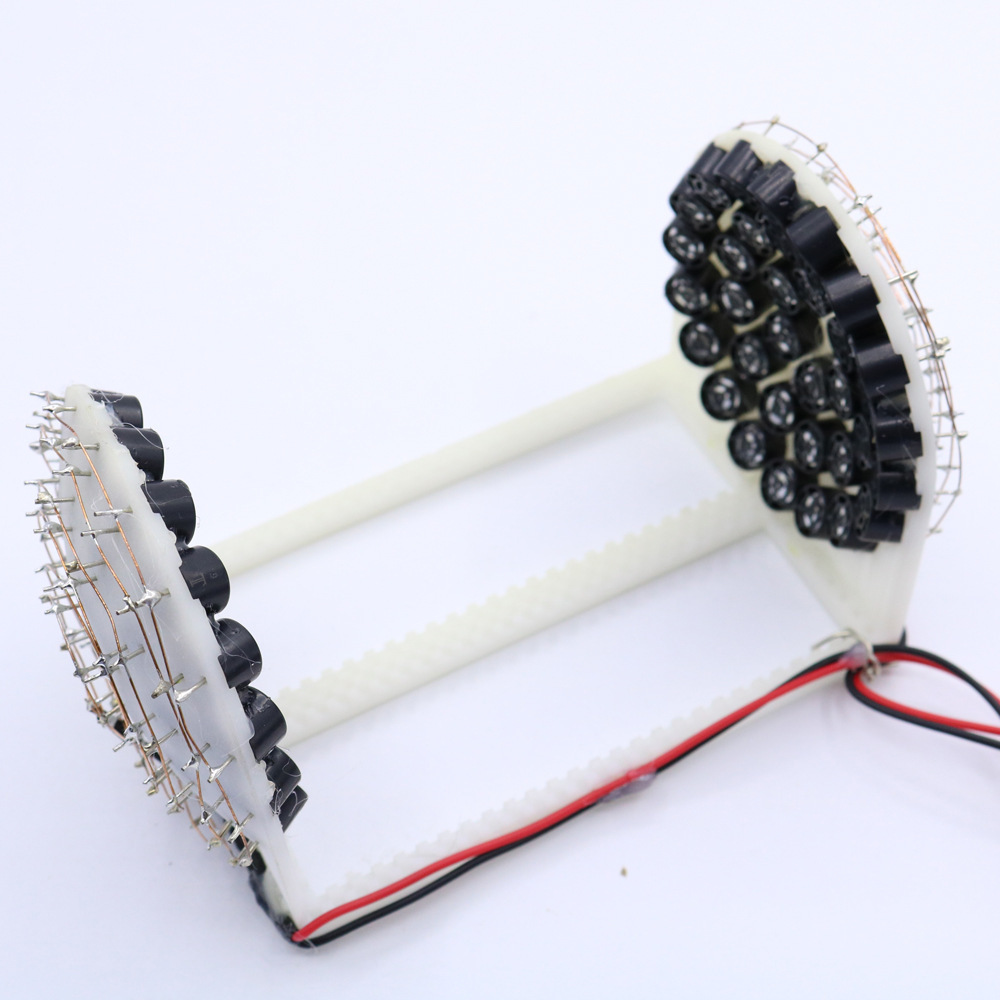
Build Your Own Gravity-Defying Wonder
If the science of floating objects has piqued your curiosity, you don’t need a multi-million dollar lab to start experimenting.
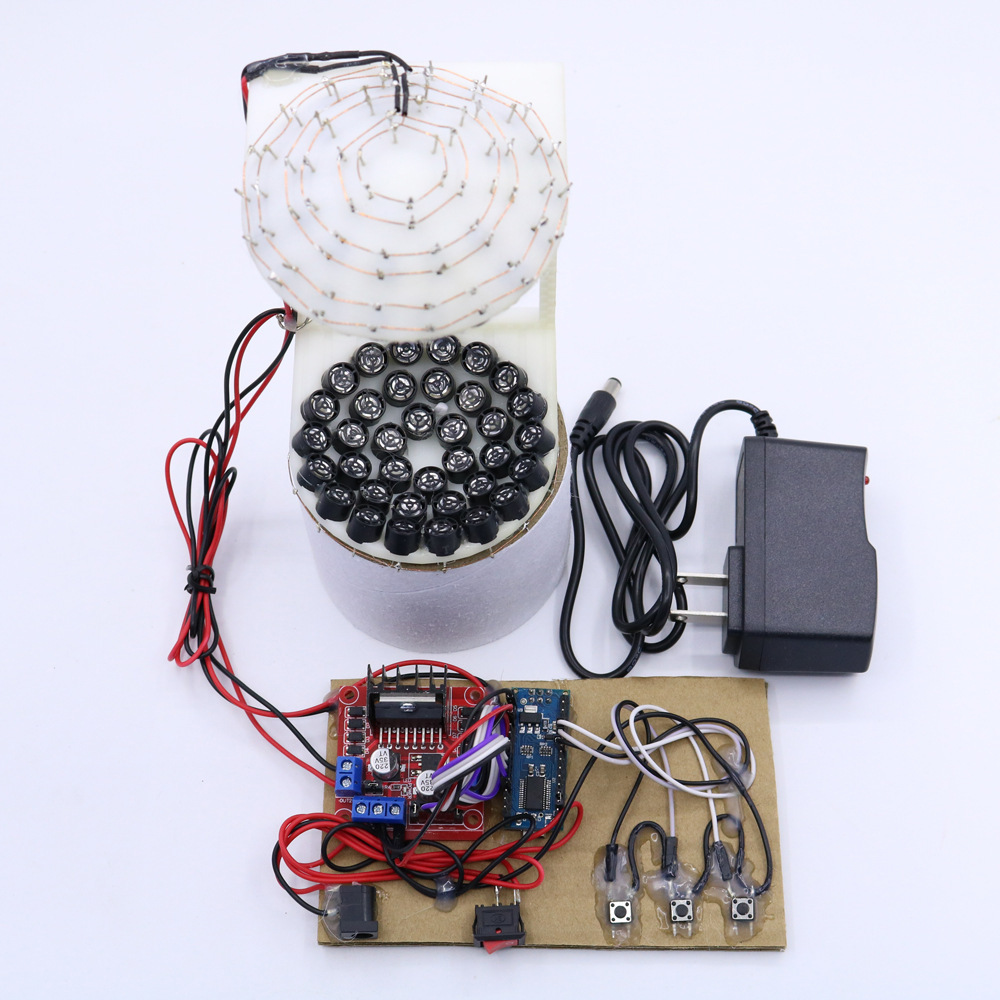
Our Acoustic Levitation DIY Kit provides everything you need to build your own functional ultrasonic suspension device. This kit includes a 3D-printed frame, 76 transducers, an Arduino Nano, and an L298N driver board. This project is not just a demonstration; it’s a hands-on journey into electronics, and complex wave physics. You’ll assemble the twin arrays of high-frequency transducers and wire up the driver board. Once you power it up, you can witness tiny objects float in the air, defying gravity right before your eyes.
You can learn more about the micro-controller at the heart of the kit here: https://www.arduino.cc/.
Ready to explore the unbelievable power of sound and science?
Leave a Reply